
News
December 8, 2025
Staff of the Vilga Laboratory presented scientific developments in agritech at the year-end 2025 meeting at Agriculture Ministry

Staff of the Vilga Agrotechnology Laboratory of the Department for Multidisciplinary Research KarRC RAS took part in the session “Results of the agricultural season 2025 and plans for 2026” held in the Village of Ladva. They presented the laboratory’s major research areas and scientific developments.
The session "Results of the Agricultural Season 2025 and Plans for 2026", organized by the Ministry of Agriculture and Fisheries of the Republic of Karelia, was held on December 4 in the Village of Ladva, Prionezhsky District of Karelia. Aside from scientists from the KarRC RAS and Petrozavodsk State University, the participants were representatives of the ministry, Russian Federal Service for Veterinary and Phytosanitary Surveillance, branch of the Russian Agricultural Centre, Karelian Branch of the Russian Agro-Chemical Service, agricultural enterprises, and farms. They discussed the results of the industry's development in the republic in the past year, state support measures and plans for 2026, and listened to presentations by representatives of scientific and public institutions.

The Karelian Research Centre was represented at the meeting by the Head of the Vilga Agrotechnology Laboratory of the Department for Multidisciplinary Research, Candidate of Biological Sciences Elena Dubina-Chekhovich, and by Junior Researcher of the Vilga Agrotechnology Laboratory Alexandra Kamova. The speakers focused primarily on two areas of the laboratory's scientific work: potato seed production and variety testing, as well as fodder production.

The core biotechnological method for in-lab research is clonal micropropagation in vitro applied to a number of crops: potato, strawberry, mint, as well as garden strawberry.
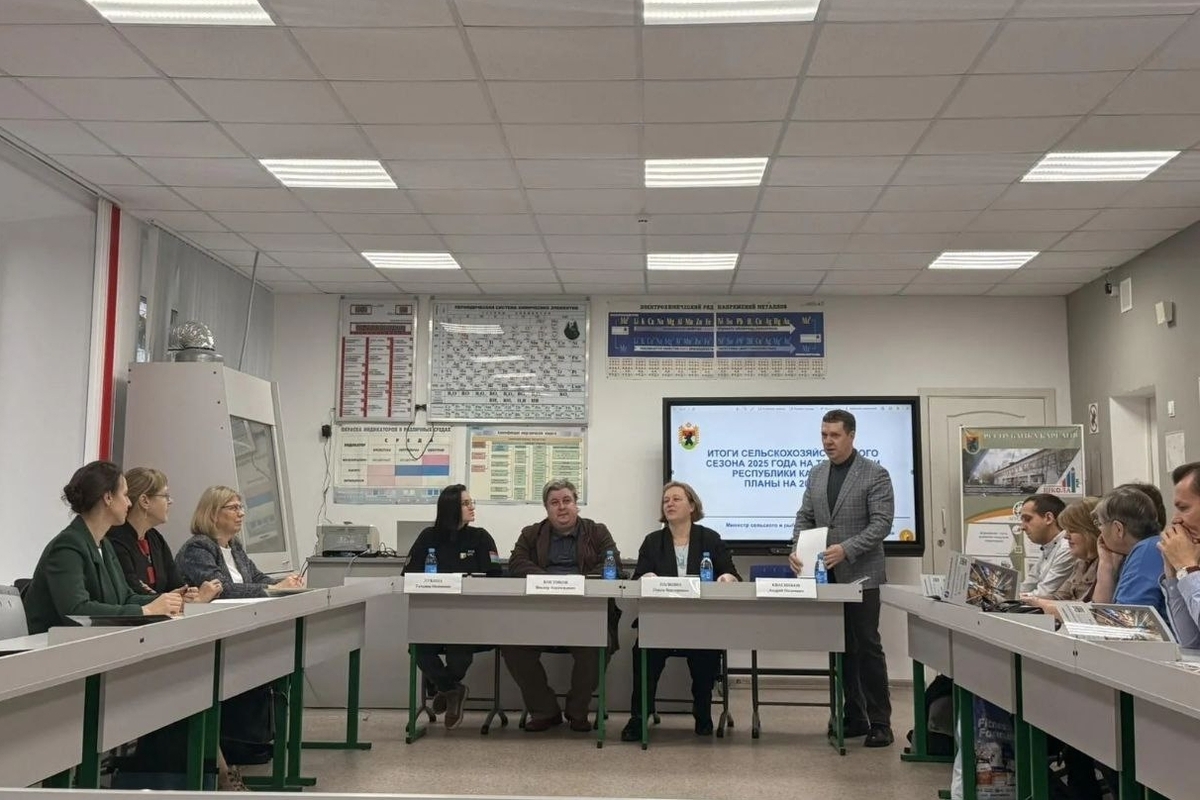

Session “Results of the agricultural season 2025 and plans for 2026”

One of the tasks in potato growing is to design a chain of commercial products and to select the varieties that are the most adaptable to Karelia’s fluctuating weather conditions. Cultivation of varieties that differ in maturation timing and bulking rates facilitates earlier supply of fresh produce to the local market and increases potato sales volumes. As Alexandra Kamova explained, the laboratory's collection comprises over 30 varieties, some of which demonstrate high productivity and possess high ecological plasticity in our republic.

In the field of fodder production, research is focused on expanding the species composition of fodder crops in Karelia through variety trials and selection of the most productive variety-microbiome systems best adapted to the region's climatic conditions in order to augment grassland yields and enhance the fodder quality. Fodder production performance is predicated on proper mowing timing, establishing and maintaining a chain of crops, increasing the area under legume and legume-grass stands, timely sward renewal, fertilization of foraging grounds, and increasing their productivity, e.g. through land clearing and improvement. The scientists demonstrated examples of a chain of crops using various grass mixtures in our region and provided recommendations for establishing stable, high-yield agricultural plant communities on Karelia's sod-podzolic soils.
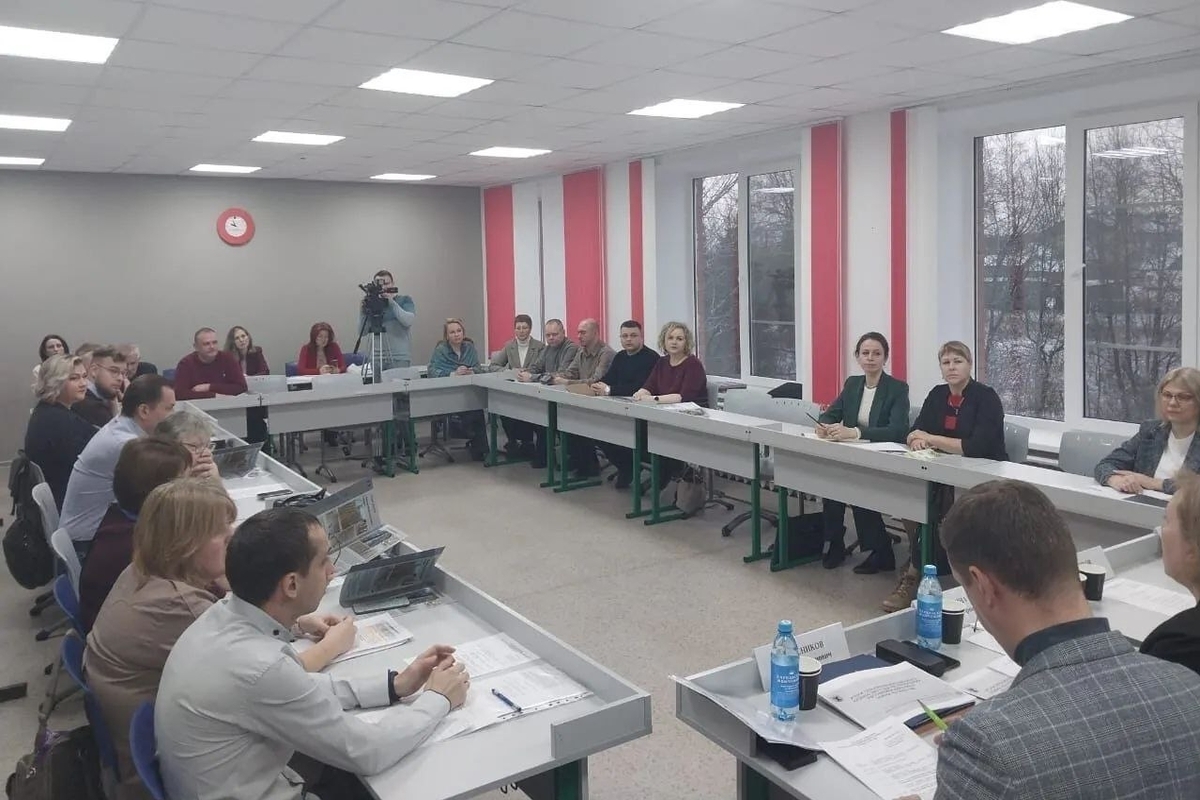

“Results of the agricultural season 2025 and plans for 2026” session participants

- In this presentation, we demonstrated how our developments can be used in practice and answered specific questions regarding the development of potato and fodder production in Karelia, - informed Elena Dubina-Chekhovich.

Vilga Agrotechnology Laboratory, successor to the Karelian State Agricultural Experimental Station, plays an important role in advancing agricultural science in the region. Its team conducts basic and applied research in priority areas of strategic importance for Karelia's agriculture. Previously, scientists have related their latest developments to the Minister of Agriculture and Fisheries of the Republic of Karelia, Olga Palkina, during her visit to the laboratory in November. The Minister got familiarized with the main research lines and appraised the high academic standards maintained at KarRC RAS.

Photos: Media Office of the Republic of Karelia Ministry of Agriculture and Fisheries
See also:

December 5, 2025
Olga Bakhmet proposed KarRC RAS as the host for the scientific conference on the study of Karelia’s water bodies

Doctor of Biological Sciences Olga Bakhmet took part in a meeting of the Council on Fish and Fisheries Sector Development held in Petrozavodsk on December 2nd. Active participants of the meeting were representatives of the executive and legislative authorities of the Republic of Karelia, scientists, and members of the business community. The meeting focused on prospects for the development of the sector in Karelia, utilization of seaweed resources in the White Sea, increasing production volumes, and introducing new types of products.
December 4, 2025
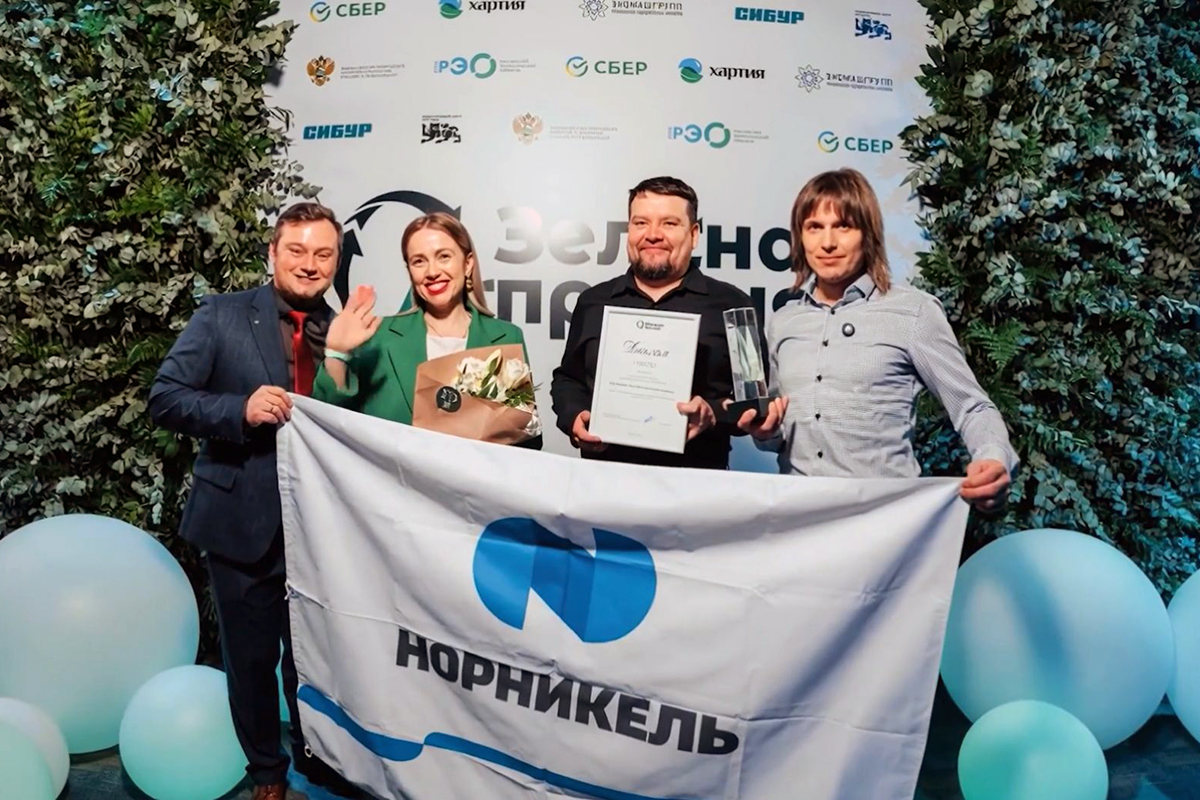
Project to roll out artificial instream egg incubators wins the Green Prize 2025

The Russian Environmental Operator awarded the winners of the Green Prize 2025. The project recognized as the best in the "Sustainable Practices in the Agricultural Industry" category is "An Integrated Technology with Artificial Nests for Fish Egg Incubation". The devices for the reproduction of young salmonid populations were designed at the Karelian Scientific Center RAS and tested in collaboration with Kola Mining and Metallurgical Company JSC (part of Nornickel). The incubators are being successfully used on rivers in northern Karelia and the Murmansk Region.
December 3, 2025
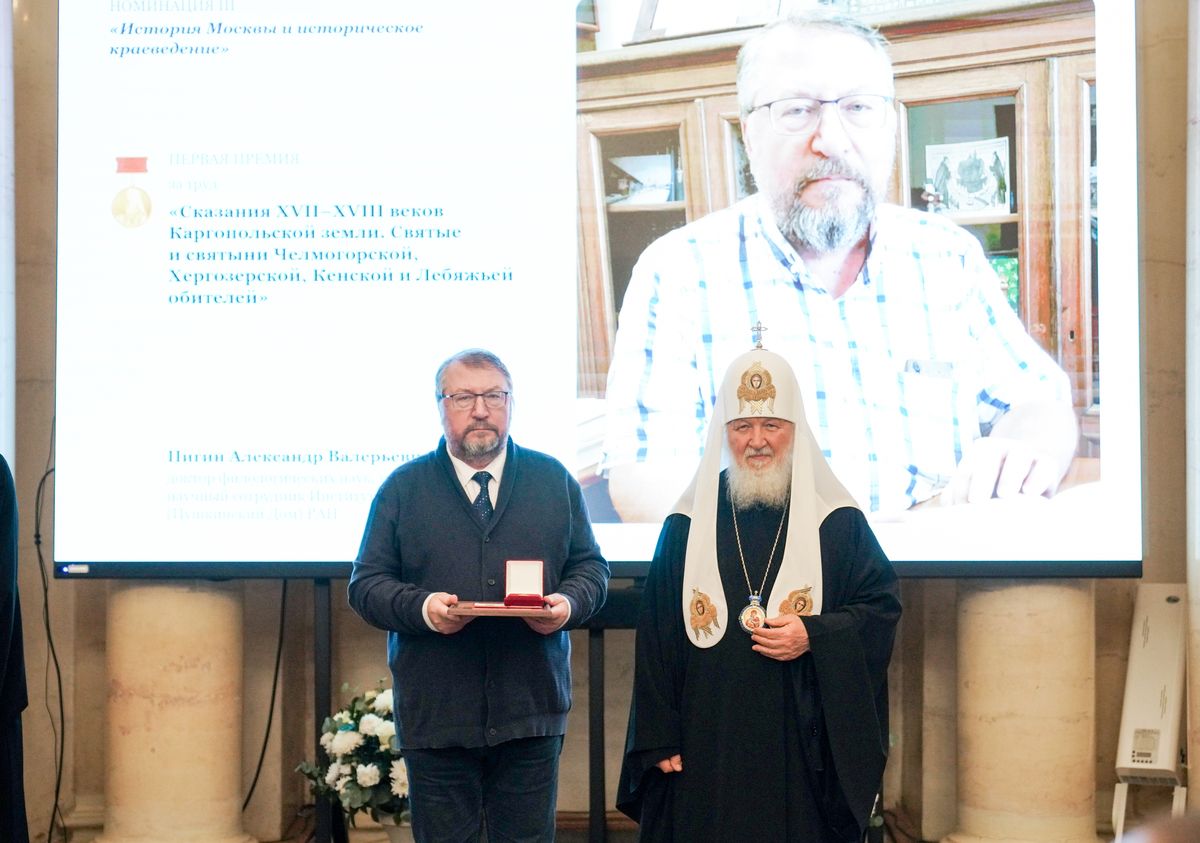
Literature scholar Alexander Pigin was awarded Makarius’s Prize for his treatise “17th-18th Century Tales of the Kargopol Land”

Leading Researcher of the Institute of Linguistics, Literature and History KarRC RAS Alexander Pigin was awarded The First Prize in Memoriam of Metropolitan Macarius (Bulgakov) of Moscow and Kolomna for his treatise “17th-18th Century Tales of the Kargopol Land. Saints and Sanctities of Chelmogorskaya, Hergozerskaya, Kenskaya and Lebyazhiia Monasteries”. The Macarius Prize is one of the main awards in the humanities in Russia.
December 2, 2025
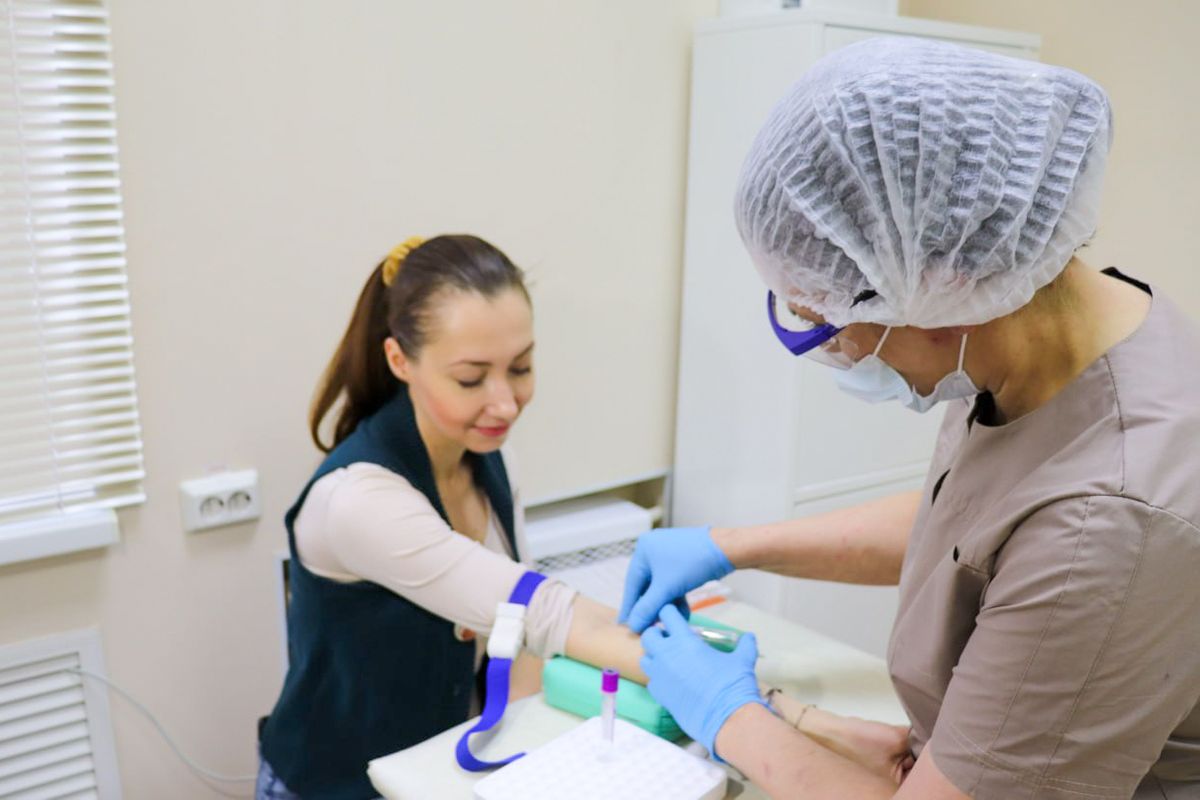
Citizens of Karelia can help scientists explore early-stage disorders and risks of developing serious diseases

Scientists invite volunteers aged 40–59 to take part in a large-scope region study seeking to identify early markers of the yet silent disorders that may later evolve into cardiovascular and metabolic diseases. Participants will be asked to give a single blood sample for key laboratory tests. The results can be collected in person or via email. In the long term, this work will enable scientists and medical professionals to detect the threat of serious diseases as early as possible.